
Best Time to Visit Seoul Korea
Seoul changes sharply from cherry blossom streets to humid monsoon afternoons, then to crisp palace walks and freezing winter nights, so your travel dates shape more than the photos. A poorly timed trip can mean sold-out hotels during blossom week, slippery rain around outdoor markets, or cold winds that make evening viewpoints feel rushed. This guide helps you choose the best season, month, and practical booking window for the Seoul trip you actually want.

When Is the Best Time to Visit Seoul?
The best time to visit Seoul is mid-April to May or late September to early November. Spring brings blossoms and mild temperatures, while autumn brings clear skies, lower humidity, and colorful foliage. Choose spring for floral scenery and autumn for the most reliable sightseeing weather.
Mid-April to May and late September to early November are the strongest overall windows for most travelers. Temperatures usually sit in a comfortable range for palace walks, street food, markets, river paths, and neighborhood hopping. These periods also reduce the two biggest weather frustrations in Seoul: the deep winter cold and the sticky summer rainy season.
If you are asking for the best time of year to visit Seoul Korea for a first trip, autumn has a slight edge. October usually feels easier for full-day itineraries because the air is crisp, skies are often clearer, and humidity has dropped. You can spend the morning at Gyeongbokgung Palace, walk Bukchon Hanok Village, cross to Insadong, and still have energy for dinner in Ikseon-dong or Myeongdong.
Spring is more emotional and more unpredictable. Cherry blossom timing varies by year, and the best dates can shift depending on winter temperatures and early spring conditions. When blossoms peak, Yeouido, Seokchon Lake, Seoul Forest, and palace grounds become memorable, but crowds and hotel prices rise quickly. If blossoms are not your main goal, late April and May are easier than the exact peak bloom period.
For official visitor planning, the Seoul Metropolitan Government tourist guide is a useful starting point for city attractions, neighborhoods, and visitor basics. Use it alongside your season choice so you can match outdoor sights, shopping districts, museums, and nightlife to the weather you are likely to get.
Why Is Spring One of the Best Times to Visit Seoul Korea?
Spring in Seoul is best for cherry blossoms, palace photography, cafe terraces, and comfortable walking days. Late March can still feel cool, April is the blossom-focused month, and May is milder and easier for flexible travel. Crowds peak around famous bloom spots and holiday weekends.
Late March to late May brings Seoul out of winter, with a clear shift from bare trees to blossoms, warmer parks, and longer evenings. Temperature: about 7°C–24°C (45°F–75°F), cooler in late March and warmer by late May. Daylight: roughly 12–14.5 hours. Crowds: moderate to high. Price level: medium to high around cherry blossom dates.
The biggest spring draw is the cherry blossom window, usually centered around early April in Seoul, though yearly weather can move the peak earlier or later. Yeouido Hangang Park, Seokchon Lake, Seoul Forest, Namsan Park, and the palace areas are especially popular. If your trip is built around blossom photos, add two or three buffer days rather than flying in for one exact date.
May is the calmer spring sweet spot. Blossoms may be finished, but the city feels greener, temperatures are comfortable, and you get better odds for relaxed walking routes. This is a strong month for Gyeongbokgung Palace, Changdeokgung Palace and Secret Garden, Ihwa Mural Village, Hongdae, Seongsu-dong cafes, and evening walks along the Cheonggyecheon Stream.
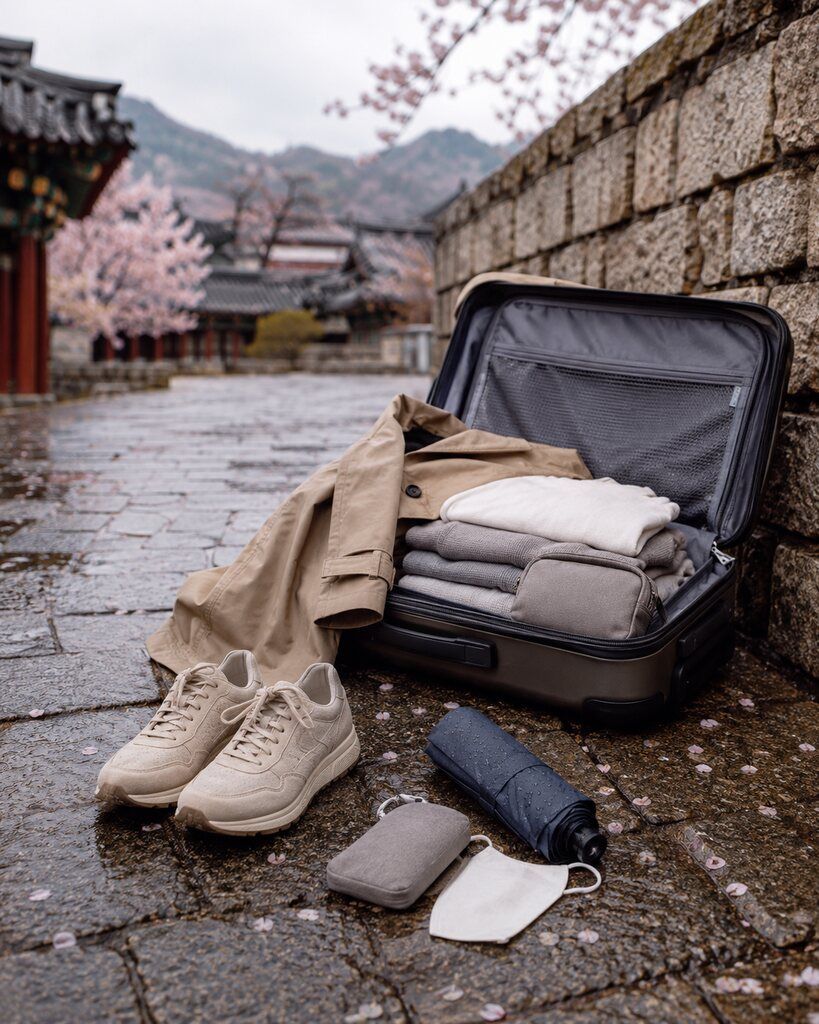
What should you pack for spring in Seoul?
- Light jacket or trench coat for cool mornings and evenings.
- Comfortable walking shoes for palace stones, hills, and subway transfers.
- Layered tops because daytime warmth can fade quickly after sunset.
- Small umbrella during April and May showers.
- Face mask or allergy medicine if you are sensitive to pollen or dust.
Spring is ideal if you want beauty and comfort, but it needs early planning. Book hotels 6–8 weeks ahead for early April, and reserve popular restaurants or hanbok rental slots once your dates are fixed.
What Should You Expect in Seoul During Summer?
Summer in Seoul is hot, humid, rainy, and lively. June is the easiest summer month, July is often the wettest and most uncomfortable, and August remains hot with festival energy. Plan indoor breaks, evening outings, and flexible schedules if you visit during this period.
June to early September is Seoul’s warmest and most humid travel season. Temperature: about 20°C–31°C (68°F–88°F), with heat feeling stronger because of humidity. Daylight: roughly 12.5–14.7 hours. Crowds: moderate to high, especially in shopping and nightlife areas. Price level: medium to high during school holidays and major event periods.
June can still work well if you want warmer evenings and do not mind occasional rain. By July, the monsoon season can make outdoor planning harder. Heavy showers may affect palace visits, Han River picnics, mountain hikes, and open-air markets. August is hot and steamy, but it also suits travelers who prefer late-night food streets, malls, museums, indoor cafes, and nightlife.
Summer is not the best time to visit Seoul South Korea for all-day outdoor sightseeing. It can still be rewarding if your itinerary is built around air-conditioned breaks. A realistic day might pair a morning palace visit with lunch indoors, a museum or department store in the afternoon, then Hongdae, Myeongdong, or the Han River after sunset.
For transport planning, the Official Travel Guide to Seoul transportation page explains the city’s public transport options, which matter more in summer because you will rely on subway and bus transfers to avoid long exposed walks. Build routes around stations, underground shopping passages, and shaded streets when heat is high.
What should you pack for summer in Seoul?
- Breathable clothes that dry quickly after rain or sweat.
- Compact umbrella or light rain jacket for sudden showers.
- Refillable water bottle and electrolyte tablets for humid days.
- Sandals or water-resistant shoes, plus one pair of supportive walking shoes.
- Portable fan or cooling towel if you struggle with humidity.
Summer suits travelers who want energy rather than perfect comfort. If you are traveling with young children, older relatives, or anyone sensitive to heat, choose June over July or August, or shift your trip to May or October.
Why Is Autumn Often the Best Time of Year to Visit Seoul?
Autumn is often the best time of year to visit Seoul because temperatures are mild, humidity is low, and foliage transforms palace grounds, mountain paths, and city parks. Late October to early November is especially good for clear views, comfortable walking, and first-time sightseeing itineraries.
Late September to mid-November is the most balanced season for Seoul travel. Temperature: about 6°C–26°C (43°F–79°F), warm in late September and crisp by November. Daylight: roughly 10–12.5 hours. Crowds: moderate to high in foliage areas. Price level: medium to high in October, lower by mid-November.
If you want the best time of year to visit Seoul South Korea with fewer weather compromises, choose October. Rain is less disruptive than in midsummer, daytime temperatures are comfortable, and the city’s outdoor routes become easier. Palaces, Namsan, Seoul Forest, Olympic Park, Bukhansan National Park, and the Han River all feel stronger in this season.
Autumn is also the best time to visit N Seoul Tower for many travelers. Clearer skies make city views more rewarding, and cooler weather makes the uphill approach through Namsan Park more pleasant. For the best experience, go on a weekday in late afternoon. You can see Seoul before sunset, watch the light shift, and stay for the night skyline without standing in the strongest weekend crowds.
October does attract demand. Book hotels 6–8 weeks ahead if you want a central base near Myeongdong, Jongno, Hongdae, or Gangnam. If your trip includes popular foliage weekends, reserve intercity rail or day tours early, especially for routes outside Seoul.
What should you pack for autumn in Seoul?
- Light sweater or fleece for mornings and evenings.
- Medium jacket for late October and November nights.
- Comfortable shoes for park trails, palace grounds, and hilly neighborhoods.
- Camera or phone with enough storage for foliage-heavy days.
- Lip balm and moisturizer as the air gets drier.
Autumn gives you the strongest mix of scenery and practicality. If your Seoul trip is once-in-a-decade or your itinerary is heavy on outdoor neighborhoods, October is the safest recommendation.
Is Winter a Good Time to Visit Seoul South Korea?
Winter is a good time to visit Seoul if you want lower crowds, cheaper accommodation, festive lights, indoor food experiences, and possible snow. It is not ideal for long outdoor days because temperatures can fall below freezing and wind makes exposed viewpoints feel colder.
Late November to early March is Seoul’s cold season, with dry air, short days, and occasional snow. Temperature: about -7°C–8°C (19°F–46°F), with January usually the coldest month. Daylight: roughly 9.5–11.5 hours. Crowds: low to moderate, except around Christmas, New Year, and Lunar New Year. Price level: generally lower outside holiday periods.
Winter can be excellent for travelers who care more about food, shopping, museums, and city atmosphere than long park days. Seoul’s indoor culture is strong: department stores, underground malls, bathhouses, cafes, galleries, palaces in snow, and steaming bowls of kalguksu or tteokguk all make cold days worthwhile. Holiday lights in areas such as Myeongdong, Cheonggyecheon, and major malls add another reason to visit in December.
The trade-off is physical comfort. Palace courtyards, exposed bridges, and observation decks can feel bitter in wind. If you visit N Seoul Tower in winter, check visibility and dress for the cable car queue or outdoor viewing areas. Cold haze or cloudy conditions can reduce the payoff of a viewpoint, so keep the tower flexible rather than locking it into your only clear evening.
Winter is also practical for budget-minded travelers. Hotel availability improves after the holiday period, and popular restaurants are easier to book outside peak dates. If you want a quieter Seoul and can handle cold weather, late January to February can be a smart window.
What should you pack for winter in Seoul?
- Insulated coat, ideally wind-resistant.
- Thermal base layers if you plan long outdoor walks.
- Gloves, scarf, warm hat, and thick socks.
- Moisturizer and lip balm for dry winter air.
- Shoes with grip for icy sidewalks after snow or freezing rain.
When Should You Avoid Visiting Seoul?
Avoid Seoul in mid-July if your trip depends on outdoor sightseeing, and avoid major holiday periods if you dislike closures, transport pressure, or high prices. The least comfortable windows are peak monsoon weeks, severe winter cold snaps, and short public-holiday travel surges.
Mid-July to early August is the weakest period for most first-time visitors. Heat, humidity, and heavy rain can make Seoul feel more tiring than expected. Outdoor markets are still lively, but long walking routes become harder to enjoy. If you must travel then, plan short morning activities, indoor afternoons, and flexible evenings.
Late January to early February can be difficult if a severe cold spell arrives. The city still functions well, but exposed attractions lose some appeal. You may find yourself rushing through palace courtyards, skipping river walks, or paying for taxis to avoid cold transfers. Winter is manageable with the right clothing, but it is not the most forgiving season for families with small children.
Chuseok and Seollal, Korea’s major holiday periods, need careful planning. Exact dates change each year because they follow the lunar calendar. During these periods, many Koreans travel domestically, intercity transport can sell out, and some small businesses may close. Seoul itself can feel quieter in certain neighborhoods, which some travelers like, but the logistics around arrival, departure, and day trips become less flexible.
Air travel timing also matters. If you land at Incheon International Airport during a holiday surge or late at night, confirm transport options before departure. The Incheon International Airport passenger guide is the official source for airport facilities and traveler services, which can help you plan arrivals, transfers, and waiting time around your flight schedule.
If your dates are fixed inside one of these windows, do not cancel automatically. Adjust the trip style. For July, focus on indoor culture and food. For winter cold snaps, shorten outdoor sightseeing blocks. For holidays, book transport earlier and keep neighborhood days simple.
Which Seoul Season Fits Your Travel Style?
The best Seoul season depends on your priorities: autumn for first-timers, spring for blossoms, winter for budgets, May or October for families, and June or September for a warmer but less intense shoulder-season feel. Match your dates to comfort, crowds, and daily pace.
First-time visitors: choose October if possible. It gives you the easiest weather for a full classic route: Gyeongbokgung Palace, Bukchon Hanok Village, Insadong, Myeongdong, Namsan, Hongdae, Seongsu-dong, and the Han River. You spend less energy managing weather and more time enjoying the city.
Cherry blossom travelers: aim for late March to mid-April, but keep expectations flexible. The most photogenic week can change, and famous spots get busy. Stay near a subway line that gives you easy access to Yeouido, Seokchon Lake, Seoul Forest, and palace districts so you can adjust day by day.
Families: May and October are the best months. Temperatures are comfortable, daylight is long enough for relaxed sightseeing, and you can mix outdoor attractions with museums or cafes. July and August can be too humid for strollers, playground-heavy days, and long waits.
Budget travelers: late November, early December, January after New Year, and February outside Lunar New Year can offer better value. You trade warmth for lower crowds and potentially better hotel rates. If you can pack properly, winter gives you a slower, cheaper Seoul.
Food-focused travelers: almost any season works. Winter makes hot soups, barbecue, and street snacks feel especially satisfying. Summer is strong for bingsu, late-night dining, and cafe culture. Autumn markets feel comfortable, and spring terrace cafes are pleasant.
Hikers and park lovers: choose October or early November. Bukhansan, Namsan, Seoul Forest, Olympic Park, and riverside routes are at their best when the air is dry and temperatures are cooler. Spring is also good, but autumn usually provides better visibility.
If you want a broader app-based planning setup before you fly, Yoho Mobile has a guide to useful travel apps for smoother trips. Pairing navigation, translation, transport, and booking apps with the right season makes your Seoul days easier to adjust in real time.
What Should You Book, Pack, and Arrange Before Seoul?
Before Seoul, book central accommodation, airport transfers if arriving late, popular restaurants, seasonal tours, and mobile data access. Pack by season rather than by month alone, because Seoul weather shifts quickly. A flexible itinerary works better than a tightly timed schedule during blossom, monsoon, or holiday periods.
Your booking timeline should match the season. For cherry blossom weeks and October foliage weekends, reserve hotels 6–8 weeks ahead, or earlier if you need family rooms or a specific neighborhood. For winter weekdays and non-holiday periods, you can often be more flexible, though central locations still sell first. If you are taking day trips, check train or tour availability as soon as your dates are firm.
Neighborhood choice affects daily comfort. Myeongdong and Jongno suit first-timers who want palace access, shopping, and simple subway routes. Hongdae is better for nightlife, casual food, and younger energy. Gangnam works for business trips, clinics, shopping, and southern Seoul plans. Seongsu-dong suits cafe and design-focused travelers but may require more transfers for palace-heavy days.
Packing should follow the real season rather than the calendar label. March can still feel wintry at night, May can feel warm by afternoon, September can remain humid, and November can turn cold quickly. For a full pre-flight system, use this smart packing and airport security guide to reduce last-minute bag stress.
Maps, translation, restaurant bookings, ride-hailing, and subway routing are daily tools in Seoul, so mobile data is part of practical packing. If you are new to digital travel SIM options, start with this guide to eSIM basics so you know how an eSIM card works before your departure day.
If your Seoul itinerary depends on real-time routes, booking confirmations, and messaging between neighborhoods, arrange mobile data before you fly. For South Korea travel, Yoho Mobile lets you choose the destination, data amount, and validity days separately, so you can match a 4-day city break, 10-day Korea route, or longer Asia trip without fixed bundles. You can review the South Korea eSIM plan options, then manage your trip setup through the Yoho Mobile app on iOS or the Yoho Mobile app on Android.
If you are trying this setup for the first time before Seoul, you can read how to use a free eSIM trial and keep Yoho Care in mind as an emergency data service for eligible travel situations.
Plan your data amount around behavior, not just trip length. Light users who mostly check maps and messages may need less. Travelers using translation apps, short videos, cloud photo backup, or hotspot sharing should choose more. To estimate navigation needs, Yoho Mobile also explains how much mobile data Google Maps uses, which helps you avoid underestimating daily usage.
One limitation is device compatibility. Not every phone supports eSIMs, and some locked devices may not accept a travel eSIM profile. If your phone is not compatible, a physical SIM or pocket Wi-Fi rental may be more practical. Check this before departure rather than at the airport, where your options can be slower and more expensive.
Frequently Asked Questions
What is the best month to visit Seoul?
April, May, October, and early November are usually the best months to visit Seoul. April is best for cherry blossoms, May is mild and green, October has crisp weather and strong foliage, and early November can still offer autumn color with slightly lower crowds than peak October weekends.
Is Seoul better in spring or autumn?
Autumn is usually better for first-time visitors because the weather is steadier and humidity is lower. Spring is better if blossoms are your main reason for going. If you can only pick one season for a balanced Seoul itinerary, choose October; if you want floral scenery, choose early to mid-April.
When is the best time to visit N Seoul Tower?
The best time to visit N Seoul Tower is late afternoon on a clear weekday, especially in April, May, October, or November. Arrive before sunset so you can see the city in daylight, golden hour, and evening lights. Avoid hazy, rainy, or very windy days if views are your priority.
Is July a bad time to visit Seoul?
July is not ideal for most travelers because it is often hot, humid, and rainy. It can still work if you plan indoor attractions, cafes, shopping centers, museums, and evening activities. For outdoor sightseeing, May, June, September, or October will usually feel easier.
How many days do you need in Seoul?
Four to five days is a good amount of time for Seoul. You can cover palaces, traditional neighborhoods, markets, shopping districts, cafes, nightlife, and one viewpoint without rushing too much. Add extra days for Bukhansan hiking, Suwon, DMZ-related tours, or slower food-focused travel.