
Best Time to Visit Toronto: Weather and Prices
Toronto rewards good timing because the same city can feel like a lakeside festival hub, a crisp autumn escape, or a wind-whipped winter puzzle depending on your dates. Pick the wrong week and you may pay summer hotel rates while dodging festival crowds, or save money in January but lose hours to slush, short daylight, and indoor backup planning. This guide helps you choose when to visit Toronto, Canada based on weather, events, prices, neighborhoods, and the first-time logistics that make the trip feel easy.

Best Time to Visit Toronto for Weather, Events, and Prices
The best time to visit Toronto is usually late May to June or September to early October. These windows balance comfortable weather, strong events, manageable crowds, and better hotel value than peak summer weekends, while still giving you enough daylight for waterfront walks and day trips.
For most first-time visitors, early fall is the sweet spot. September keeps much of summer’s energy, but temperatures are gentler, patios still feel lively, and cultural calendars stay busy. If you want fall colors, aim for late September through mid-October, especially for ravine walks, High Park, the Toronto Botanical Garden, and side trips outside the city. The exact color peak changes by year, yet that window gives you the best odds without pushing into colder, wetter late autumn.
June is the other excellent choice. It has long days, warm but usually not oppressive weather, and a packed events calendar before the highest summer prices settle in. Families often prefer late June or July because school schedules are easier, Toronto Zoo visits are more comfortable, and the Toronto Islands feel like a proper mini-holiday. If your plan includes the Toronto Islands, ferries and beaches are most appealing from June through September, with weekdays much calmer than sunny weekends.
Winter is not a poor choice; it is a specific choice. You trade cold weather for lower hotel prices, indoor museums, sports, theatre, and festive lights. If your idea of Toronto includes skating, cozy restaurants, and fewer queues, January or February can work well. If you want open-air wandering, island time, gardens, and Niagara Falls mist without frozen paths, choose late spring through early fall.
Toronto Weather by Month for Sightseeing and Event Planning
Toronto weather by month moves from cold, snowy winters to mild springs, hot summers, and crisp autumns. Lake Ontario moderates temperatures near the waterfront, but wind, humidity, and sudden rain can still change your day, so flexible layers matter more than packing for one fixed forecast.
Toronto has four clear seasons, and that is part of the fun. The catch is that the city asks different things from you each month: insulated boots in February, a rain layer in April, breathable clothes in July, and a jacket you actually like wearing in October. Use this month-by-month view to match your itinerary to the weather rather than forcing the weather to match your itinerary.For eSIM standards background, check GSMA eSIM overview.
| Month | Typical feel | Best for | Planning note |
|---|---|---|---|
| January | Cold, icy, short days | Museums, food, winter deals | Plan indoor anchors and check transit times. |
| February | Very cold, occasional snow | Skating, theatre, low hotel prices | Waterproof footwear is more useful than fashionable shoes. |
| March | Unpredictable, thawing | Budget trips, galleries, sports | Expect slush, wind, and rapid temperature swings. |
| April | Cool, rainy, early blooms | Lower crowds, gardens starting up | Bring a compact umbrella and a light insulated layer. |
| May | Mild, greener, brighter | First-time trips, Toronto Botanical Garden | Evenings can still feel cool near the lake. |
| June | Warm, long daylight | Islands, patios, festivals | Book popular weekends early. |
| July | Hot, humid, busy | Families, beaches, outdoor events | Start sightseeing early and keep shade breaks. |
| August | Hot, lively, peak leisure season | Toronto Islands, zoo, waterfront | Weekday attractions feel easier than weekends. |
| September | Warm days, cooler nights | Film, food, neighborhoods, Niagara Falls | Hotel prices can rise around major events. |
| October | Crisp, colorful, variable | Fall colors, parks, markets | Pack layers for warm afternoons and chilly evenings. |
| November | Grey, cool, quieter | Value hotels, restaurants, shopping | Good month for Toronto Premium Outlets if shopping is a priority. |
| December | Cold, festive, darker | Holiday markets, skating, lights | Prices rise around holidays and major event weekends. |
If you are comparing the best time to visit Toronto and Vancouver, the difference is simple: Toronto gives you hotter summers and colder winters, while Vancouver tends to be milder and wetter. For a Toronto and Montreal trip, late May, June, September, and early October work beautifully because both cities are comfortable for walking, dining outdoors, and using trains or short flights between them.
Toronto Travel Seasons: Crowds, Prices, and Best Trip Styles
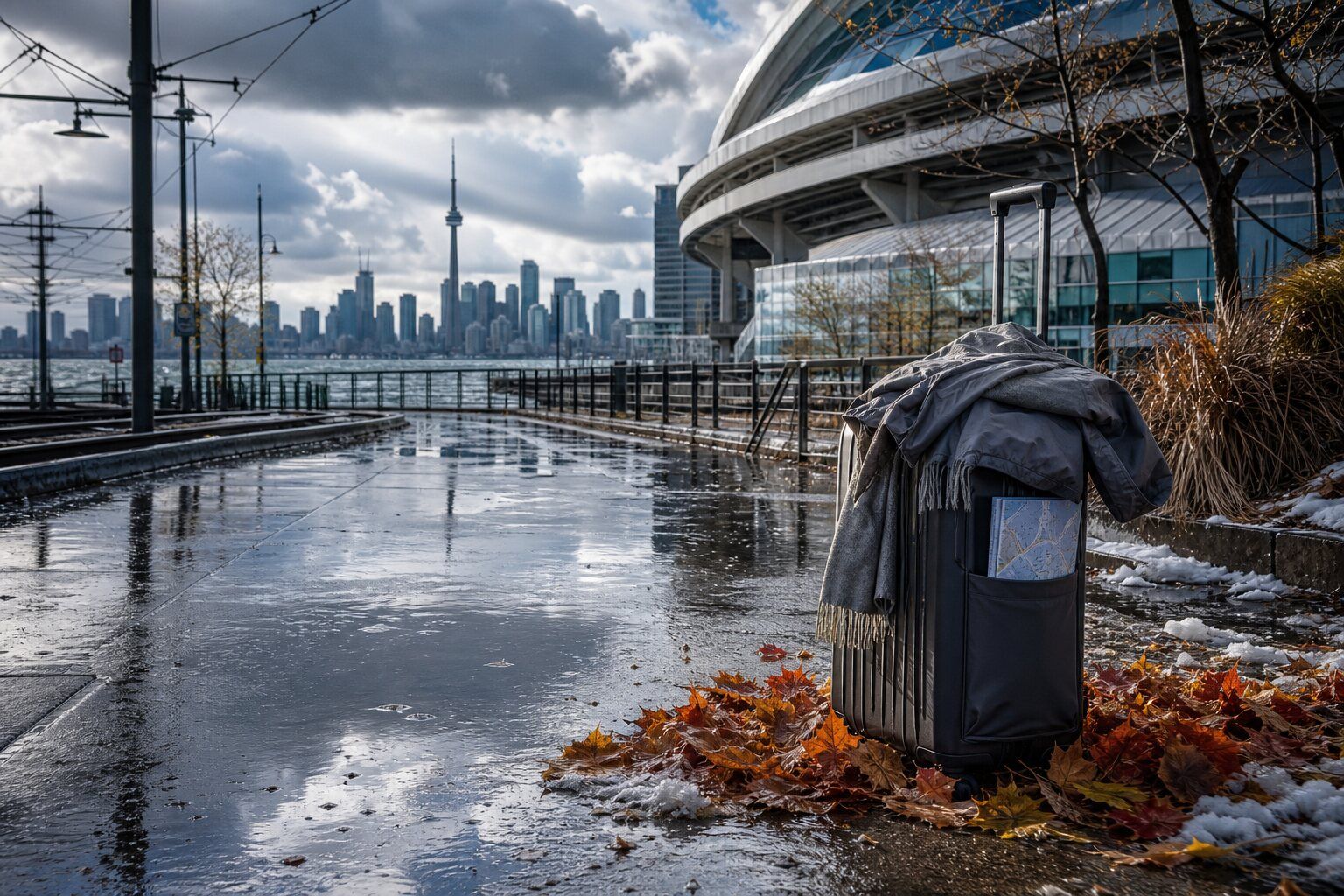
Choose summer for festivals and islands, fall for weather balance and color, spring for value and gardens, and winter for indoor culture at lower prices. Toronto travel seasons differ less by sightseeing quality than by comfort, crowd levels, and how much backup planning you need.
Summer is Toronto at full volume. From late June through August, the waterfront, patios, parks, and event spaces are busy in a way that makes the city feel wonderfully awake. This is the best season for the Toronto Islands, outdoor concerts, beach time, family attractions, and long sightseeing days. It is also when hotel rates climb, ferry queues lengthen, and popular restaurants need more advance planning. If you travel in July or August, stay near a subway line and start major outdoor sights before midday heat builds.
Fall is the most balanced season. September still feels social, while October brings color and calmer weekdays. It is one of the best periods for first-time visitors who want neighborhoods, parks, food, and a Niagara Falls day trip without heavy winter gear. Fall also suits couples and solo travelers who prefer walking-heavy days with coffee stops, museums, and dinner reservations rather than beach logistics.
Spring is underrated, especially May. April can be damp and uneven, but May brings blossom season, greener parks, and easier prices before peak summer. It is the best time to visit Toronto Botanical Garden if you want fresh growth without intense heat. It also works well for Toronto Zoo visits because animals are often more active in mild temperatures than during humid afternoons.
Winter is for travelers who treat weather as part of the itinerary rather than an obstacle. You can enjoy the Royal Ontario Museum, Art Gallery of Ontario, hockey, theatre, food halls, and skating, often with fewer visitors around. The trade-off is simple: fewer outdoor hours, heavier clothes, and more need for warm-up stops.
Toronto Events Calendar: Key Months to Check Before Booking
Toronto events are most worth planning around from June through September, when outdoor festivals, waterfront programming, Pride celebrations, food events, and the Toronto International Film Festival shape hotel demand. Check dates before booking because a single major event can change room prices across downtown.
Toronto is not a one-event city; it is a calendar city. The best travel dates often depend on whether you want to join the buzz or avoid the price spike that comes with it. The official Destination Toronto events calendar is a useful starting point because dates shift each year and some events announce programming close to the season.
June brings Pride Toronto energy, patio weather, and the beginning of serious outdoor festival season. July and August lean into music, waterfront programming, Caribbean culture, food events, and neighborhood street festivals. If you like cities when they feel social, loud, and slightly overbooked, summer is your friend. If you prefer easier reservations, use weekdays as your secret weapon.
September is anchored by the Toronto International Film Festival, one of the city’s biggest global cultural moments. Even if you do not attend screenings, the festival can affect downtown hotel rates, restaurant availability, traffic patterns, and neighborhood crowds. Book early if you are set on September travel, especially if you want to stay in the Entertainment District, Yorkville, or near the waterfront.
October is strong for fall colors, markets, and food-focused weekends. November is quieter and can be practical for shopping trips, including Toronto Premium Outlets west of the city. December shifts toward holiday lights, festive markets, skating, and indoor dining. If you are building a Toronto and Niagara Falls trip around events, late spring and early fall give you the easiest combination of city programming and comfortable waterfall viewing.
Toronto Hotel Areas, Prices, and Transit During Busy Dates
Stay downtown or near a subway station for a first Toronto trip, then use public transit, walking, and occasional rideshares. The best area depends on your timing: waterfront stays suit summer, Yorkville suits museums and dining, and the Entertainment District suits events and nightlife.
For first-time visitors, convenience beats novelty. Downtown Toronto is large enough that a “central” hotel can still leave you with long walks, so think in terms of transit access. Union Station is useful for airport rail, regional trains, sports venues, and the waterfront. The Entertainment District works well for theatre, nightlife, and film festival energy. Yorkville is polished and close to museums, shopping, and restaurants. Queen West and Ossington are better if your trip revolves around boutiques, bars, galleries, and independent dining.
Public transit is often the simplest way to move across the city. The Toronto Transit Commission operates subway, streetcar, and bus service, and the TTC fares and passes page is the best place to check current payment options before you go. If you are arriving at Toronto Pearson International Airport, many visitors use the UP Express train to Union Station, then switch to subway, streetcar, taxi, or rideshare depending on luggage and hotel location.
Season changes the right hotel choice. In summer, the waterfront is attractive because you can reach ferry docks, sports venues, lakefront paths, and open-air events quickly. In winter, being closer to subway stations, museums, and indoor dining matters more. In September, event-heavy areas can be expensive, so staying one or two subway stops away can save money without making the trip awkward.
If you are visiting Toronto Premium Outlets, Niagara Falls, or suburban family attractions, consider renting a car only for that day. Parking downtown is expensive and traffic can be slow. For Toronto Islands, do not drive to the ferry area if you can avoid it on summer weekends; transit plus walking is usually less stressful.
How Can You Stay Connected During a Toronto Trip?
eSIM service is useful in Toronto when you need maps, transit updates, ferry schedules, restaurant bookings, rideshares, and event tickets without hunting for Wi-Fi. Check phone compatibility first, then choose a Canada-focused option that matches your trip length and expected mobile data use.
A guide to what an eSIM card is can help if you are new to the idea: an eSIM is a digital SIM built into compatible devices, and GSMA describes eSIM technology as a standardized way to remotely activate mobile service on supported devices. Apple also lists official iPhone eSIM support steps and compatibility details, which is useful to check before flying.
Toronto is a city where mobile data quietly saves time. You may need it for live TTC routing, ferry wait checks, last-minute restaurant reservations, mobile tickets, weather radar before an island day, or a rideshare after a late event. If your itinerary includes Toronto and Montreal, Toronto and Vancouver, or Toronto and Niagara Falls, staying connected across travel days becomes even more useful because train updates, hotel messages, and map searches tend to happen while you are moving.
Yoho Mobile is a practical fit for visitors who want control rather than a fixed bundle. You can choose Canada as your destination, then select the data amount and number of days separately, so a three-day city break does not need the same eSIM plan as a two-week Toronto, Montreal, and Niagara itinerary. Browse the Yoho Mobile Canada eSIM plan options when you are ready to match coverage to your dates.
If you are trying this for the first time, Yoho Mobile also offers a free eSIM trial and Yoho Care emergency data service, which can be reassuring before a trip with airport transfers, event tickets, and navigation-heavy days.
Download the Yoho Mobile app on iOS or Yoho Mobile app on Android to manage your eSIM plan before and during your trip. If your phone is not compatible with eSIMs, a physical SIM or your home carrier’s travel option may be more suitable. You can also review the eSIM-compatible phone list and the data roaming guidance for travel before departure.
What Toronto Travel Tips Save Money and Time?
The best Toronto travel tips are to book around event dates, stay near transit, plan outdoor sights by season, and avoid treating the city like a quick checklist. Toronto is easier and cheaper when you group neighborhoods, use weekdays strategically, and reserve peak-season activities early.
The first common mistake is underestimating distances. Toronto looks compact on a map because many major sights sit near downtown, but cross-town travel can be slow during rush hour or event nights. Group your days by area: waterfront and islands together, museums and Yorkville together, Queen West and Kensington Market together, and Distillery District with St. Lawrence Market or the east side.
The second mistake is booking summer without checking events. A major festival, sports weekend, or convention can push up hotel prices, especially downtown. If your dates are flexible, compare a few adjacent weekends. Tuesday to Thursday stays can be noticeably easier for restaurant bookings and hotel value than Friday and Saturday during summer and September.
The third mistake is planning the Toronto Islands casually on a perfect Saturday. The islands are worth it, especially from June through September, but ferry lines can be long on sunny weekends. Go early, consider a weekday, pack water, and keep your return flexible. If the forecast is windy or rainy, swap the islands for museums, food halls, or neighborhoods rather than forcing a lake day.
The fourth mistake is treating Niagara Falls as a tiny side errand. It is doable as a day trip, but it takes planning. Late May, June, September, and early October are the easiest months for combining Toronto and Niagara Falls because weather supports walking and boat-based sightseeing, while winter requires warmer clothes and more schedule flexibility.
For packing, Toronto rewards layers. Bring comfortable walking shoes year-round, a waterproof layer in spring and fall, breathable clothes in July and August, and serious cold-weather gear in winter. If you want a broader prep list, the Yoho Mobile guide to smart packing for travel and airport security is useful before you leave.
Frequently Asked Questions
Is May or September better for a first Toronto trip?
September is usually better if you want warmer evenings, major events, and easy day trips. May is better for gardens, lighter crowds, and lower hotel prices before the summer peak. Choose May for calmer sightseeing and September for a more energetic city atmosphere.
How many days do you need in Toronto?
Three full days is enough for a first visit covering downtown, the waterfront, museums, markets, and one neighborhood-focused day. Add a fourth day if you want Niagara Falls, the Toronto Islands at a slow pace, or a Toronto Zoo visit with children.
What is the cheapest month to visit Toronto?
January, February, and parts of March are often the cheapest months for hotels, though winter weather can affect walking plans. Late November can also offer good value before holiday demand rises, especially if your trip focuses on restaurants, shopping, and museums.
When is the best time to visit Toronto and Niagara Falls?
Late May, June, September, and early October are strong choices for combining Toronto and Niagara Falls. The weather is comfortable for walking, outdoor viewpoints are easier to enjoy, and you avoid the deepest winter conditions while still missing some peak summer pressure.