
Doha Travel Guide: Qatar Itinerary
Doha looks compact on a map, but the best Qatar itinerary depends on museum hours, heat, prayer-time rhythms, metro coverage, and whether you want a desert trip beyond the city. If you group sights poorly, you can lose hours crossing between Msheireb, West Bay, Lusail, and the inland sea instead of using your short visit well. This Doha travel guide gives you a practical route, neighborhood choices, food ideas, booking priorities, and daily logistics so you can build a smooth trip without relying on a generic travel guide book or scattered notes.
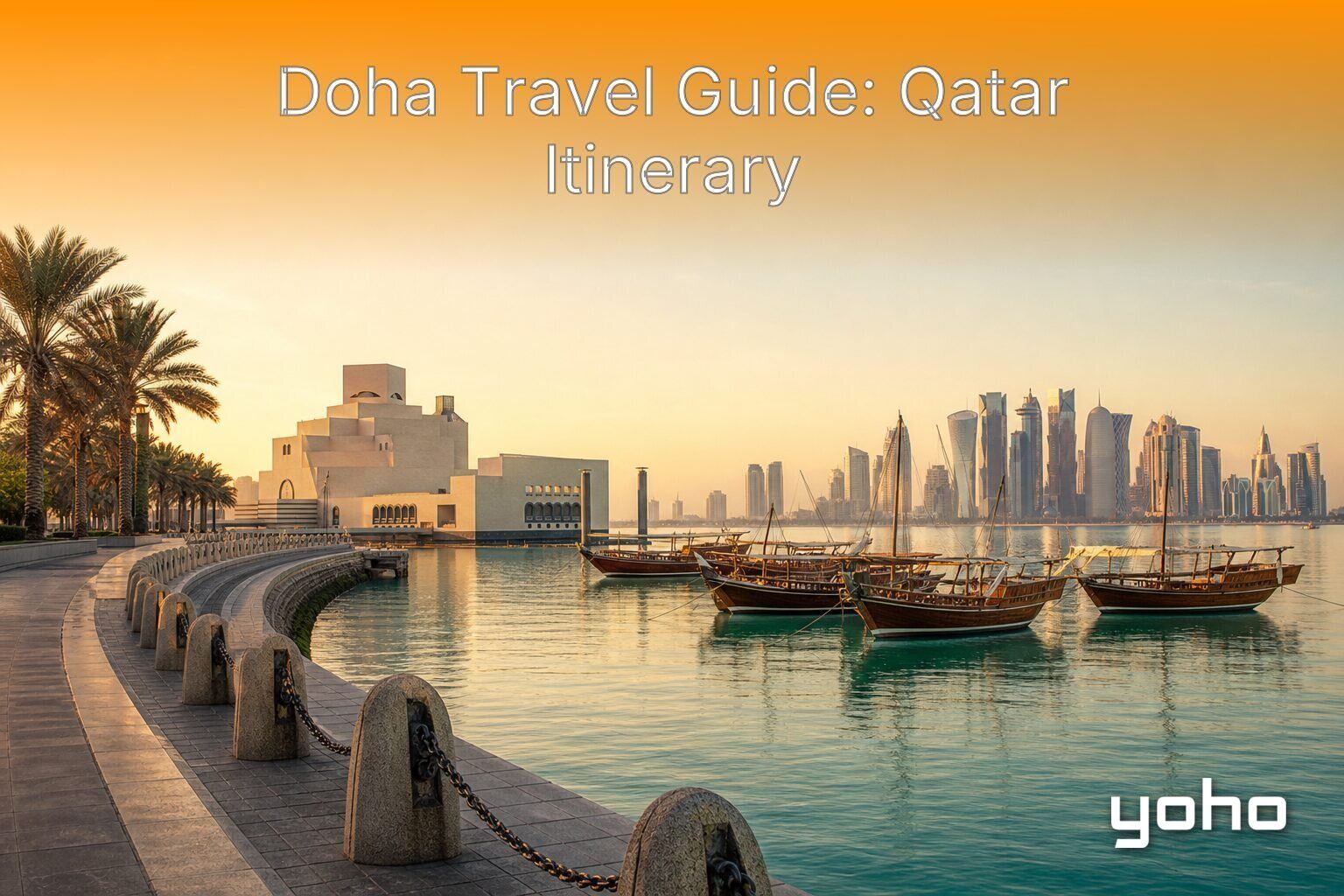
How Many Days Do You Need in Doha?
Three days is the best first-time Doha itinerary because it covers the historic core, major museums, modern waterfront districts, and a desert half-day without rushing. One day suits a stopover, two days covers city highlights, and four days lets you add Lusail, beaches, or slower food-focused exploring.
Doha works well as a stopover city, but it rewards a little more time than many travelers expect. The main sights are not difficult to understand, yet they sit across distinct zones: Souq Waqif and Msheireb in the old center, the Museum of Islamic Art near the Corniche, Katara Cultural Village farther north, West Bay across the water, and Lusail beyond that. The desert adds a completely different pace and usually requires a guided vehicle.
| Trip length | Best use | What to skip |
|---|---|---|
| 1 day | Souq Waqif, Museum of Islamic Art, Corniche, dinner | Desert safari, Lusail, long mall visits |
| 2 days | City core, Katara, West Bay, one museum-heavy morning | North Qatar day trips unless you start early |
| 3 days | Balanced city, culture, food, and desert itinerary | Very slow beach resort pacing |
| 4 days | Doha plus Lusail, beaches, extra galleries, relaxed meals | Nothing essential, if heat is managed well |
If you are building a printable Doha travel guide PDF for your own trip, treat the first day as your “orientation day.” Keep it walkable around Souq Waqif, Msheireb, and the Corniche. Save long taxi rides, dune bashing, or beach time for later days when you understand traffic and heat better. This approach also helps if your arrival flight is delayed or you land after midnight.
Which Doha Itinerary Route Works Best?
The easiest Doha route moves from the old center to the waterfront, then north to Katara and Lusail, with the desert kept as a separate block. This order reduces backtracking because Souq Waqif, Msheireb, and the Corniche cluster together, while Katara and Lusail sit farther up the coast.
A strong three-day Qatar itinerary should follow geography rather than attraction fame. Start with the historic and walkable center, use the second day for museums and coastal districts, then reserve the third day for either desert or a slower modern Doha route. Qatar’s official tourism site is useful for checking current cultural listings, visa information, and seasonal events through Visit Qatar travel planning guidance.
| Day | Morning | Afternoon | Evening |
|---|---|---|---|
| Day 1 | Msheireb Downtown Doha | Museum of Islamic Art and MIA Park | Souq Waqif dinner and falcon market area |
| Day 2 | National Museum of Qatar | Katara Cultural Village | The Pearl-Qatar or West Bay views |
| Day 3 | Desert safari or inland sea trip | Rest, beach, or hotel pool | Lusail Boulevard or final souq meal |
This route gives you a practical balance of air-conditioned interiors, outdoor walking, and cultural stops. It also helps with heat management. In warmer months, schedule outdoor markets, waterfront walks, and viewpoints early or after sunset. Use midday for museums, cafés, hotels, and malls. If you prefer a doha travel guide book format, copy the table into your notes and add reservation times under each slot.
For a one-day stopover, compress the route into four stops: Museum of Islamic Art, Corniche photo stop, Souq Waqif, and dinner in Msheireb or the souq. For two days, add the National Museum of Qatar and Katara. For four days, add Lusail, a longer beach break, or a north Qatar day trip to Al Zubarah Fort.
What Are the Best Sights to Plan Around?
The best Doha sights to anchor an itinerary are Souq Waqif, the Museum of Islamic Art, the National Museum of Qatar, Katara Cultural Village, the Corniche, and the desert south of the city. These stops show Doha’s trade history, architecture, waterfront identity, contemporary culture, and natural landscape.
Doha sightseeing works best when you plan around opening hours and transport rather than trying to “see everything.” Use the details below as a working checklist, then confirm current hours before your visit because schedules can change during Ramadan, public holidays, and private events.
- Souq Waqif سوق واقف
- Hours: Many shops open late morning to late evening, with the liveliest atmosphere after sunset.
- Entry price: Free to enter; food, spices, garments, and souvenirs vary by shop.
- Transport: Take the metro to Souq Waqif station or Msheireb station, then walk.
- Museum of Islamic Art متحف الفن الإسلامي
- Hours: Commonly open daytime to evening, with shorter hours on some days; check before going.
- Entry price: Paid admission for many visitors, with some resident and child categories differing.
- Transport: Taxi, ride-hailing, or a walk from Souq Waqif and the Corniche in cooler weather.
- National Museum of Qatar متحف قطر الوطني
- Hours: Usually open daytime to evening, with varied Friday timing.
- Entry price: Paid admission for many visitors; children may have different pricing.
- Transport: National Museum metro station is nearby, making this one of the easier major sights by public transport.
- Katara Cultural Village كتارا
- Hours: Outdoor areas are generally accessible for long hours; galleries and venues vary.
- Entry price: Free to wander; specific events, beach access, or exhibitions may charge fees.
- Transport: Use Katara metro station, then walk or take a short ride depending on heat.
- Doha Corniche كورنيش الدوحة
- Hours: Open public waterfront, best at sunrise, sunset, or evening.
- Entry price: Free.
- Transport: Combine it with the Museum of Islamic Art, West Bay viewpoints, or a dhow boat ride.
If museums are your priority, allow at least two hours for the Museum of Islamic Art and two to three hours for the National Museum of Qatar. If food and street atmosphere matter more, shift extra time to Souq Waqif after dark. Doha is not a city where every memorable stop needs a ticket; the contrast between traditional market lanes, the Corniche skyline, and highly designed museums is the core experience.
Where Should You Stay in Doha?
Stay in Msheireb or near Souq Waqif for walkable culture, West Bay for business hotels and skyline views, Katara or The Pearl-Qatar for dining and waterfront leisure, and airport-area hotels for short stopovers. The best area depends on whether your trip prioritizes museums, restaurants, beaches, or flight convenience.
Msheireb is the easiest base for a first Doha itinerary because it keeps you close to the old center, metro connections, souq evenings, cafés, and the Corniche. It also reduces short taxi rides that become annoying in hot weather. If your trip is only one or two nights, this area gives you the simplest version of Doha.
West Bay suits travelers who like high-rise hotels, polished restaurants, and fast access to business districts. It is less atmospheric on foot than Souq Waqif, but it has strong hotel choice and skyline views. The Pearl-Qatar and Lusail feel more residential and leisure-oriented, with marinas, promenades, and newer restaurants. They are pleasant for slower trips, though they add travel time to museums and the old center.
| Area | Best for | Trade-off |
|---|---|---|
| Msheireb and Souq Waqif | First-time sightseeing, markets, metro access | Can feel busy at night |
| West Bay | Business hotels, skyline views, comfort | Less traditional street life |
| Katara and The Pearl-Qatar | Dining, waterfront walks, relaxed evenings | More rides to core museums |
| Airport area | Late arrivals, early departures, stopovers | Weak base for nightlife and walking |
Before booking, check whether your hotel is within a realistic walk of a metro station or whether it depends on taxis. A hotel may look central on a map but still be unpleasant to reach on foot because of road layouts or summer heat. If you are saving this as a Doha travel guide PDF, add your hotel’s nearest metro station and estimated ride times to Souq Waqif, the Museum of Islamic Art, and Hamad International Airport.
What Should You Eat in Doha?
A good Doha food plan mixes Qatari dishes, regional Gulf flavors, South Asian meals, Levantine grills, and polished hotel dining. Prioritize machboos, harees, luqaimat, karak tea, grilled seafood, and one souq dinner so your itinerary reflects Doha’s local and migrant food cultures.
Doha’s dining scene is shaped by Qatar’s Gulf identity and by the communities that live and work in the city. You can eat very well without making every meal expensive. Souq Waqif is the most convenient place to sample Qatari and regional dishes in a lively setting, while Msheireb adds more contemporary cafés and casual restaurants. West Bay and The Pearl-Qatar are better for hotel restaurants, marina dining, and international menus.
- Machboos مجبوس: Spiced rice with chicken, lamb, or seafood. It is one of the most useful “first Qatari meal” choices.
- Harees هريس: Wheat and meat cooked into a soft, savory dish, often associated with Ramadan and family meals.
- Luqaimat لقيمات: Small sweet dumplings, usually served with syrup or date molasses.
- Karak كرك: Strong tea with milk, sugar, and spices. It is easy to find and useful for a low-cost break.
- Grilled hammour: A common Gulf fish choice, often served simply with rice, salad, or sauces.
Plan your meals around movement. A souq dinner works well after museums because the area becomes more animated in the evening. Katara is useful for lunch or coffee if your second day moves north along the coast. The Pearl-Qatar is better for a slower dinner when you do not need to return quickly to the old center.
For budget control, mix one destination meal with one casual meal each day. Hotel breakfasts can be generous, but they also delay morning sightseeing if you linger too long. If you want to turn this article into a doha travel guide book-style plan, add two backup restaurants near each day’s final stop, not near your hotel. That small detail prevents late-night transport detours.
How Do You Get Around Doha Without Wasting Time?
Use Doha Metro for major corridors, ride-hailing or taxis for heat-sensitive gaps, and walking only within compact zones such as Souq Waqif, Msheireb, Katara, and parts of the Corniche. The main itinerary risk is assuming every short map distance is comfortable on foot.
Doha Metro is clean, useful, and especially strong for airport access, Msheireb, Souq Waqif, West Bay, Katara, and Lusail routes. Msheireb station acts as a key interchange, so many city itineraries become easier if your hotel sits near it. Still, the metro does not remove every last-mile issue. A station may be close in distance but uncomfortable in midday heat, especially with luggage or children.
Use ride-hailing or taxis for the Museum of Islamic Art in hot weather, The Pearl-Qatar, some beach clubs, late dinners, and desert tour pickups. If you are visiting during a major event, build extra time around hotel pickup zones and road closures. For flights, Hamad International Airport is efficient, but you should still leave a buffer because security, immigration, and hotel transfers vary by time of day.
Safety rules, entry conditions, and local laws can change, so check your government’s current advice before departure; the UK government foreign travel advice page is a useful starting point for British travelers and a general reminder to verify official guidance. You should also check airline rules if your itinerary includes a stopover, separate tickets, or a long layover.
For daily planning, keep walking clusters tight. Souq Waqif to Msheireb is manageable. Katara’s outdoor areas are pleasant in cooler months. The Corniche can be beautiful, but walking long sections under strong sun can drain energy you need for the evening. In Doha, efficient transport is not only about distance; it is about preserving comfort for the best hours of the day.
What Should You Book Before Arriving?
Book desert tours, popular restaurants, museum tickets during peak periods, airport transfers for awkward flight times, and any beach club or hotel pool access before arriving. Doha is easy to organize independently, but limited tour seats and event-season demand can affect your preferred time slots.
The desert is the biggest advance-booking item because most visitors need a licensed driver and a suitable vehicle. A typical desert tour may include dune driving, camel photo stops, sandboarding, and views toward the inland sea area. Morning tours are cooler and easier to combine with an afternoon rest. Sunset tours are more atmospheric but can run late, so avoid booking one before an early flight.
Restaurants are the second priority if your dates overlap with weekends, public holidays, major sports events, conferences, or Ramadan evenings. Souq Waqif has plenty of casual options, yet specific hotel restaurants and waterfront venues fill faster. Museum tickets and exhibitions are usually manageable, but booking ahead can reduce friction when your schedule is tight.
- Book early: Desert safari, airport transfers for late arrivals, special restaurants, beach clubs, event tickets.
- Book a few days ahead: Museum slots during peak travel periods, dhow boat rides, guided city tours.
- Decide locally: Casual souq meals, short Corniche walks, coffee stops, mall visits, skyline viewpoints.
If you like traveling with a doha travel guide pdf, create one page for bookings only. Include confirmation numbers, pickup points, dress codes, cancellation deadlines, and offline screenshots. This matters because some experiences start from hotel lobbies while others use fixed meeting points. A small mismatch can cost you the start of a tour.
For families, book fewer timed activities per day than you would in a mild-weather city. Doha’s museums and malls are comfortable, but outdoor transfers in summer can tire children quickly. For solo travelers, the same advice applies in a different way: leave space for spontaneous meals, sunset photos, and unplanned conversations in the souq rather than turning every hour into a reservation.
How Can You Stay Connected During a Qatar Itinerary?
Mobile data is useful in Doha for ride-hailing, metro navigation, restaurant bookings, museum tickets, translation, and desert tour coordination. A flexible eSIM plan is often simpler than finding a physical SIM after arrival, as long as your phone supports eSIM and is unlocked.
The first connectivity decision is compatibility. If you are new to the technology, read this guide to eSIM basics before you travel, then check whether your device appears on an eSIM-compatible phone list. Some older phones and carrier-locked devices cannot use eSIMs, so do not leave this check until you reach the airport.
For a Doha itinerary, you do not need extreme amounts of mobile data unless you stream video, upload many reels, or use hotspot for a laptop. Maps, messaging, ride-hailing, restaurant searches, and ticket QR codes are usually moderate. If you rely on WhatsApp for tour communication, the WhatsApp mobile data usage guide helps estimate daily use. If navigation is your main concern, check how Google Maps uses mobile data before choosing an allowance.
Yoho Mobile is useful for Qatar because you can choose destination, mobile data amount, and usage days separately instead of being limited to fixed bundles. That flexibility fits stopovers, three-day city breaks, and longer Gulf routes where your trip length does not match a standard plan. Browse Yoho Mobile eSIM plans, then manage your plan through the Yoho Mobile app on iOS or the Yoho Mobile app on Android.
If you are trying eSIM for the first time before Qatar, Yoho Mobile offers a free eSIM trial and explains Yoho Care emergency data service for situations where backup access may matter while traveling.
Airalo and Holafly are also familiar names in travel eSIM services. Holafly is known for unlimited-data style offers in many destinations, while Airalo is widely recognized for app-based regional and country plans. Yoho Mobile fits best when you want tighter control over the exact country, duration, and mobile data amount, especially for a short Qatar stay where paying for more days than you need is unnecessary.
Before departure, activate your eSIM profile while you still have reliable Wi-Fi, keep your QR or app access available, and know which line handles mobile data. If your primary number remains active for banking texts, avoid removing it. If you use hotspot for a travel partner, choose enough mobile data for both phones and check the phone battery before desert tours.
Frequently Asked Questions
Is Doha worth visiting for only one day?
Yes, one day in Doha is worth it if you focus on a tight route. Visit the Museum of Islamic Art, walk part of the Corniche, explore Souq Waqif after sunset, and eat dinner nearby. Do not add the desert unless your layover is long and the timing is professionally arranged.
What should you wear in Doha as a visitor?
Wear light, modest clothing in public areas. Shoulders and knees should be covered in museums, souqs, government buildings, and traditional neighborhoods. Swimwear belongs at hotel pools, private beaches, and resort areas. Breathable linen, loose trousers, long skirts, and overshirts work well in heat.
Can you drink alcohol in Doha?
Alcohol is available mainly in licensed hotels, bars, and restaurants. Public drinking is not allowed, and travelers should not treat Doha like a party destination. If a specific dinner or bar matters to your trip, check licensing, dress code, and reservation rules before you go.
Do you need cash in Doha?
You can use cards in most hotels, malls, museums, and established restaurants. Carry some Qatari riyals for souq stalls, tips, small cafés, and occasional taxi situations. ATMs are easy to find in malls and central districts, but a small cash buffer prevents minor delays.
A good Doha itinerary is not about checking off the longest possible list. It is about placing the right sights at the right time of day: museums during heat, Souq Waqif after dark, the Corniche in soft light, and the desert when you have enough margin. With that rhythm, Qatar’s capital becomes an easy city to plan and a rewarding place to explore.